
TL;DR
Most indoor plant problems come down to 3 things:
Too much water
Not enough light
Poor soil
If your plant looks sick:
Don’t guess → diagnose first
Fix the cause → it can recover fast
Why Most Indoor Plants Struggle (And It’s Not What You Think)
Most people think:
“My plant is just dying”
It’s not.
Plants don’t suddenly fail — they decline because of repeated small mistakes.
The real problem:
You’re treating symptoms, not causes
One of the most overlooked factors is the pot itself.
The wrong pot can create hidden drainage issues and lead to recurring problems.
👉 Learn more: indoor plant pots guide
Many plant problems that look like watering or nutrient issues are actually caused by incorrect light.
Before trying to fix anything else, make sure your plant is getting the right amount of light:
Indoor Plant Light Requirements (Complete Guide That Actually Makes Sense)
- Yellow leaves? → You water more (big mistake)
- Drooping? → You water again
- Brown tips? → You panic
And that’s how small issues turn into root rot.
The reality:
90% of problems come from:
- Water
- Light
- Soil
Fix these → most plants recover
The Most Common Indoor Plant Problems
Before fixing anything:
You need to identify the problem correctly
Here are the most frequent issues:
1. Yellow Leaves (The Most Misunderstood Problem)
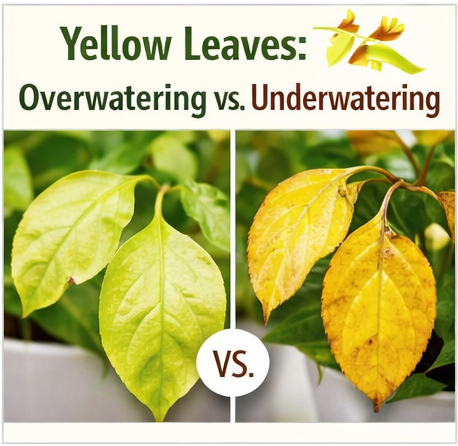
Yellow leaves don’t mean one thing.
Possible causes:
- Overwatering (most common)
- Underwatering
- Natural aging
Key difference:
Soft + yellow = overwatering
Dry + crispy = underwatering
If you guess wrong → you make it worse
Pothos plants are a classic example — yellow leaves are often caused by overwatering, but many beginners assume it needs more water and make the problem worse.
👉 See how to diagnose it correctly: Pothos Plant Care Indoors (Beginner Guide That Actually Works)
2. Drooping Leaves (Very Misleading)
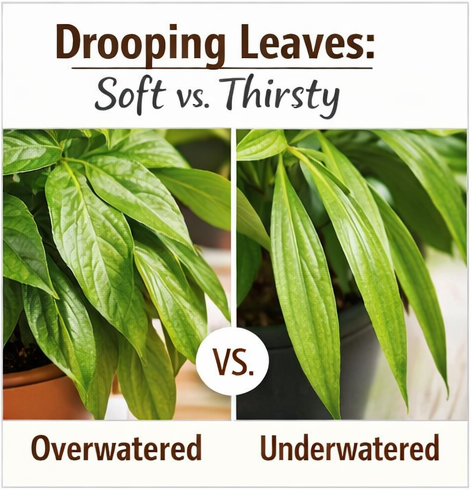
Same symptom → opposite problems
A classic example is the peace lily — it droops both when underwatered and overwatered, which makes it easy to misdiagnose if you don’t check the soil.
👉 See how to read the signals correctly: Peace Lily Care Indoors (Beginner Guide That Actually Works)
It can mean:
- Thirst
- Too much water
- Stress
How to tell:
Thin / limp leaves = underwatering
Soft / heavy leaves = overwatering
Same symptom, opposite problems.
3. Brown, Crispy Leaf Edges
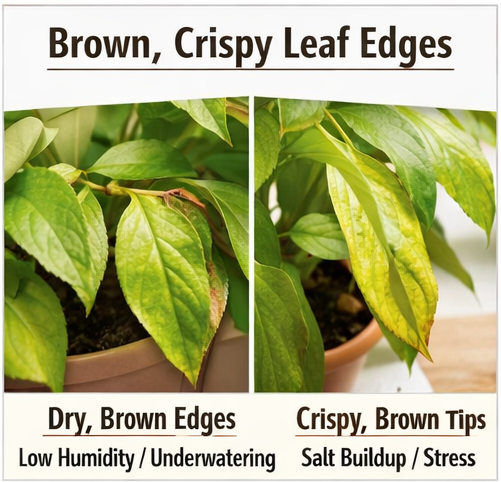
This is not a sudden issue.
It’s accumulated stress
Common causes:
- Underwatering
- Low humidity
👉 Humidity is often misdiagnosed — especially with misting. Learn what actually works: How to Increase Humidity for Plants (Without Killing Them by Accident) - Salt buildup
This develops slowly over time
👉 Think brown or crispy leaves always mean a watering or humidity issue? That’s often not the real cause — here’s what’s actually happening (and how to fix it)
👉 Not all brown leaves mean the same thing — learn how to diagnose the exact cause here:
Brown Leaves on Indoor Plants (Causes & Fixes)
👉 If your plant is already getting worse, here’s how to save a dying plant before it’s too late
4. Slow or No Growth
Your plant isn’t dead — it’s in survival mode.
Why it happens:
- Not enough light
- Root stress
- Poor nutrient flow
No growth = bad environment
👉 If your indoor plant is not growing indoors, this breaks it down step by step:
Why your indoor plant is not growing (and what it’s trying to tell you)
5. Leaves Falling Off Easily
This is already a late-stage signal
Causes:
- Severe underwatering
- Overwatering damage
- Sudden changes
The plant is trying to conserve energy
The 3 Root Causes Behind Almost Every Problem
Stop memorizing symptoms.
Focus on what actually causes them
1. Watering Mistakes (The #1 Killer)
Both too much and too little water cause damage.
And they often look identical
Common mistakes:
- Watering on a schedule
- Small, frequent watering
- Not checking soil
Correct approach:
👉 Always check the soil first
2. Poor Light Conditions
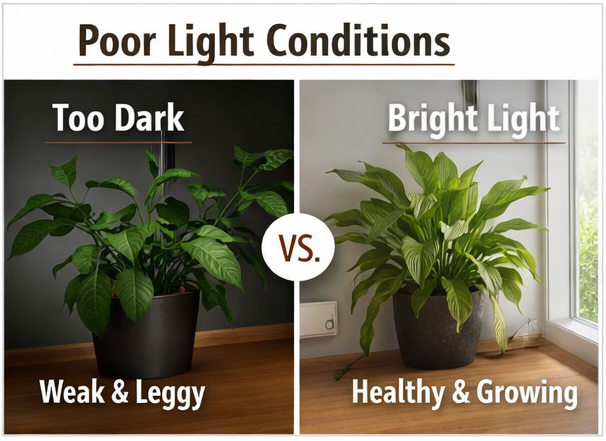
Light controls everything:
- Growth
- Water usage
- Recovery
Too little light =
- Slow growth
- Weak structure
- Higher risk of overwatering
👉 Bad light breaks everything else
3. Bad Soil & Drainage
Often ignored — but critical
Problems:
- Soil stays wet too long
- Roots can’t breathe
- Uneven moisture
Leads to:
- Hidden dehydration
- Root rot
How to Diagnose Your Plant (Without Guessing)
Stop reacting randomly.
Use this simple system:
Step 1: Check the soil
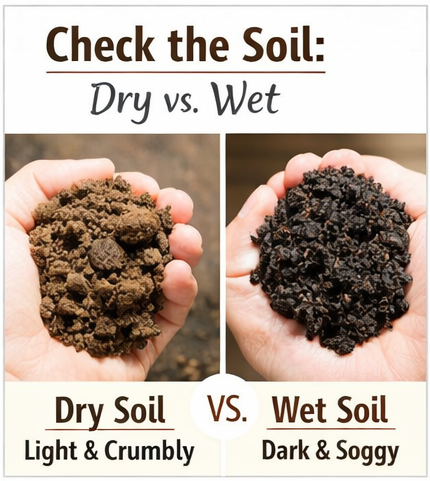
- Dry → underwatering
- Wet → overwatering
Step 2: Feel the leaves
- Thin / light → needs water
- Soft / heavy → too much water
Step 3: Look at growth
- No growth → environment issue (light / roots)
Rule:
👉 Never rely on one signal — combine them
How to Fix Most Plant Problems (Simple System)
Once you identify the cause:
Fixing it is simple
If it’s underwatering:
- Water deeply until drainage
- Let soil fully rehydrate
- Resume proper cycle
If it’s overwatering:
- Stop watering immediately
- Let soil dry out
- Ensure proper drainage
If it’s light:
- Move closer to a window
- Avoid dark corners
- Adjust gradually
Most plants recover fast if corrected early
The Biggest Mistake People Make
They try to fix everything at once:
- Change watering
- Move the plant
- Add fertilizer
- Repot
This makes things worse
Correct approach:
Fix ONE variable at a time
- Check water
- Adjust light
- Leave it alone
Final Thoughts: Your Plant Is Not Dying — It’s Responding
Plants are predictable.
They respond to:
- Water
- Light
- Environment
When you understand this:
- Problems become easy to fix
- Growth becomes consistent
Still Not Sure What’s Wrong With Your Plant?
Start here:
- How to Tell If Your Plant Needs Water
- Indoor Plant Watering Guide
- Overwatering Indoor Plants
- Underwatering Indoor Plants
These will help you identify the exact problem fast — without guessing