
TL;DR
- Brown tips are usually NOT overwatering
- The #1 hidden cause is low humidity + dry air
- Tap water minerals can silently damage leaves
- Fix = humidity + watering timing + water quality
- Cut damage + correct environment → new growth recovers
Most people see brown leaves and think:
👉 “I’m overwatering.”
So they water less.
And the plant gets worse.
👉 This is one of the main reasons why indoor plants die (and how to prevent it).
Here’s the truth:
Brown leaves are often caused by the exact opposite problem you’re trying to fix.
This is where most people get it wrong.
The Real Reasons Indoor Plants Turn Brown
Brown leaves are not random.
They’re signals.
Here are the actual causes, ranked by frequency:
1. Low Humidity (The Hidden #1 Cause)
Especially in homes with AC or heating
Tropical plants need 40–60% humidity
👉 Here’s a simple breakdown of how much humidity indoor plants actually need.
Most homes sit around 20–30%
Result:
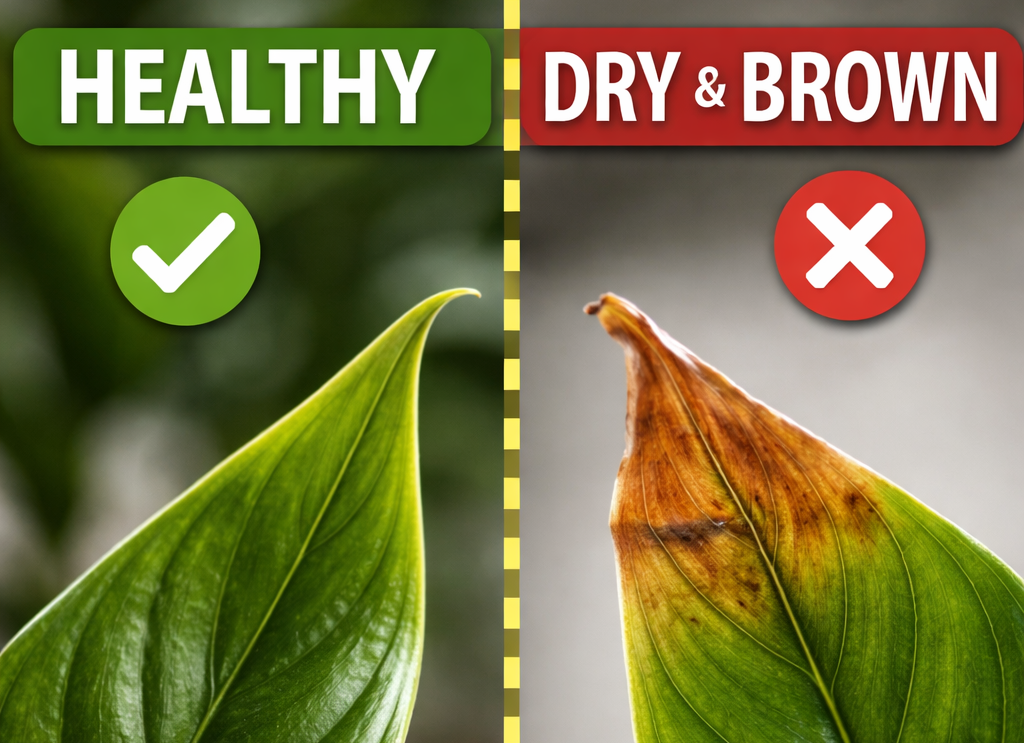
- Dry air pulls moisture from leaves
- Tips turn brown first
- Edges crisp up
💡 Fix:
- Group plants together
- Use a humidifier
👉 If you’re not sure where to start, here’s exactly how to increase humidity for plants without overdoing it. - Add a pebble tray
Misting?
This is NOT the solution.
It evaporates too fast to matter.
2. Inconsistent Watering (Not Overwatering)
It’s not how much you water
It’s when
Common mistake:
- Let soil dry too much
- Then flood it
This stresses roots → brown edges appear
👉 These are the most common signs of underwatering indoor plants people miss.
💡 Right approach:
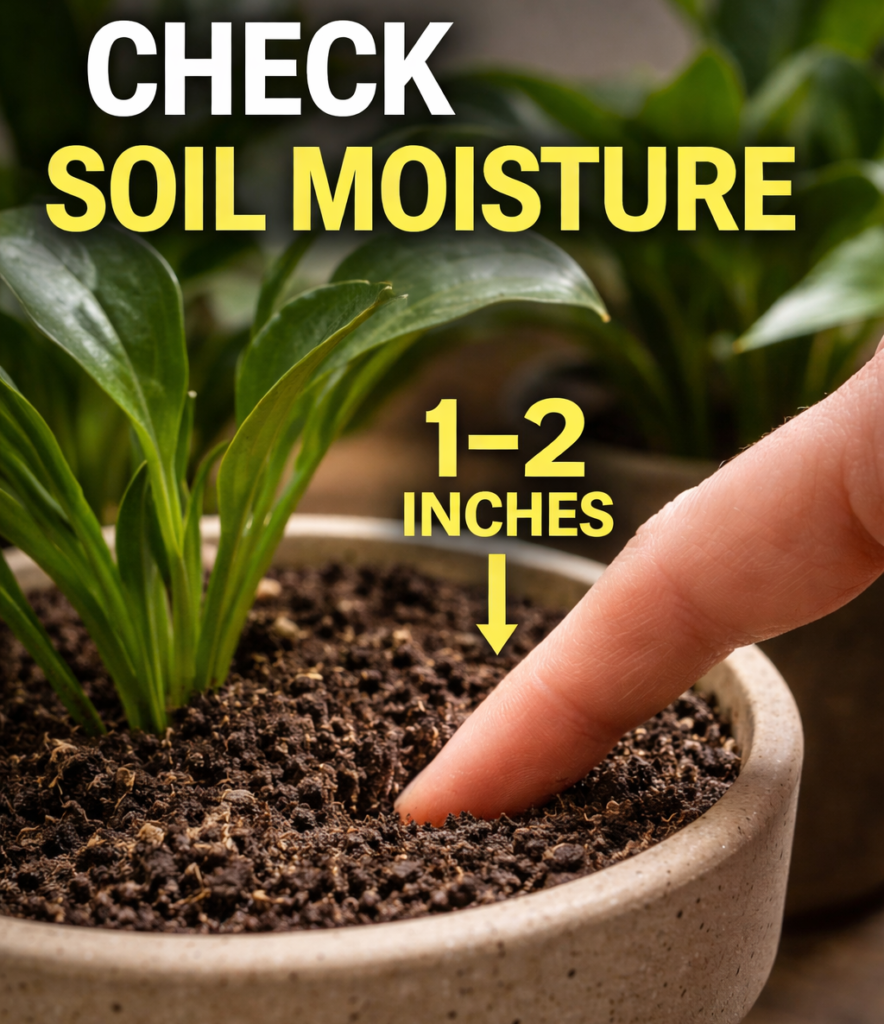
- Water when top 1–2 inches (2.5–5 cm) are dry
👉 This is the easiest way to learn how to tell if your plant needs water without guessing. - Keep moisture consistent, not extreme
👉 If watering still feels confusing, follow this indoor plant watering guide that actually works.
3. Tap Water Minerals (Silent Damage)
This is the part no one tells you:
👉 Your water might be the problem
Tap water often contains:
- Chlorine
- Fluoride
- Mineral salts
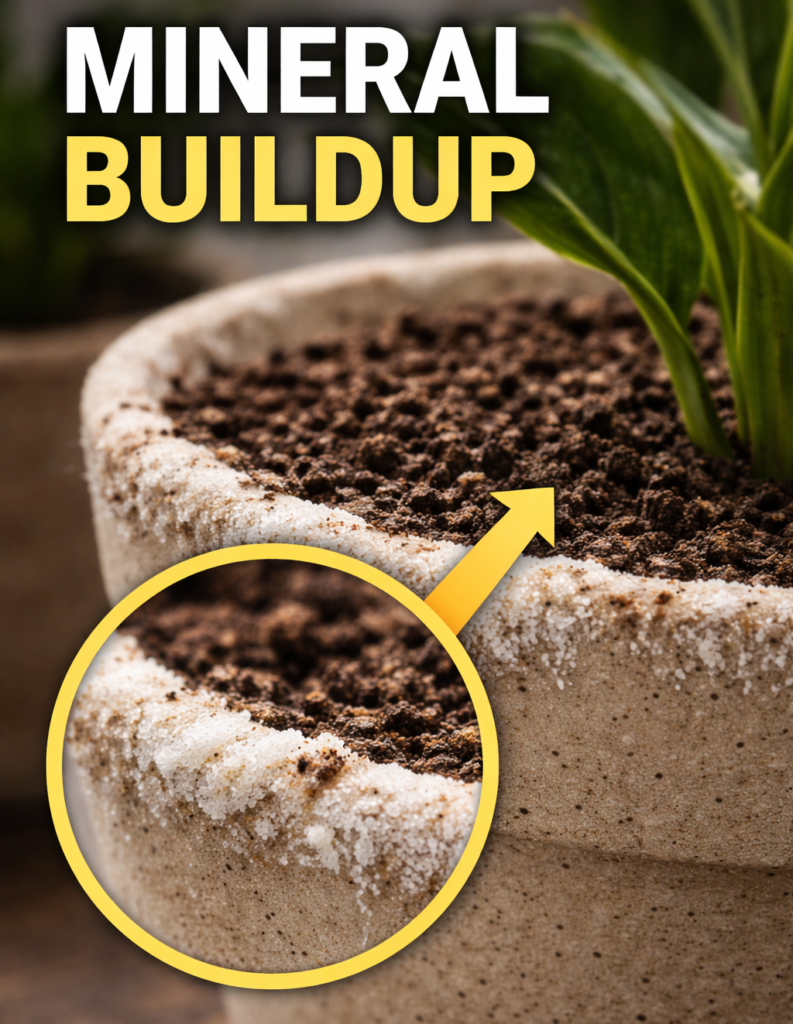
These build up → burn leaf tips
💡 Fix:
- Use filtered water
- Or let water sit 24h before using
4. Fertilizer Burn
Too much fertilizer = salt overload
Symptoms:
- Brown tips + yellow edges
- Soil crust
👉 Using the best soil for indoor plants that prevents buildup makes a bigger difference than most people think.
💡 Fix:
- Flush soil with water occasionally
- Reduce feeding frequency
5. Too Much Direct Sunlight
Especially near windows
Signs:
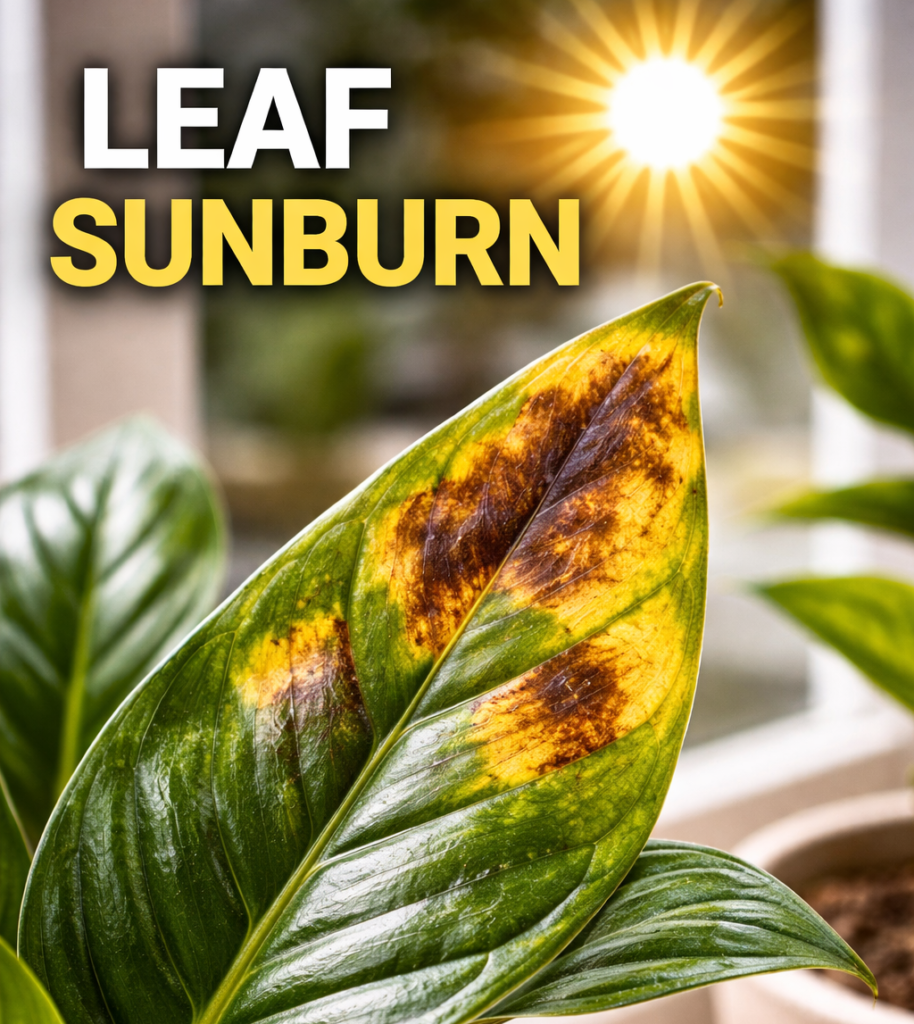
- Brown, crispy patches
- Not just tips — full leaf damage
💡 Fix:
- Move plant back 2–5 feet (60–150 cm) from window
- Use filtered light
👉 If you’re unsure what “filtered light” really means, this explains indoor plant light requirements in a simple way.
This is NOT the Problem (Common Myths)
Let’s clear this up:
“Brown leaves = overwatering”
Not usually.
Overwatering causes:
- Yellow leaves
- Mushy stems
- Root rot
Not crispy brown tips
👉 Here are the clear signs of overwatering in indoor plants so you don’t misdiagnose it.
“Misting fixes dry air”
No.
- Effect lasts minutes
- Does NOT raise ambient humidity
Real solutions are structural (humidity level), not temporary
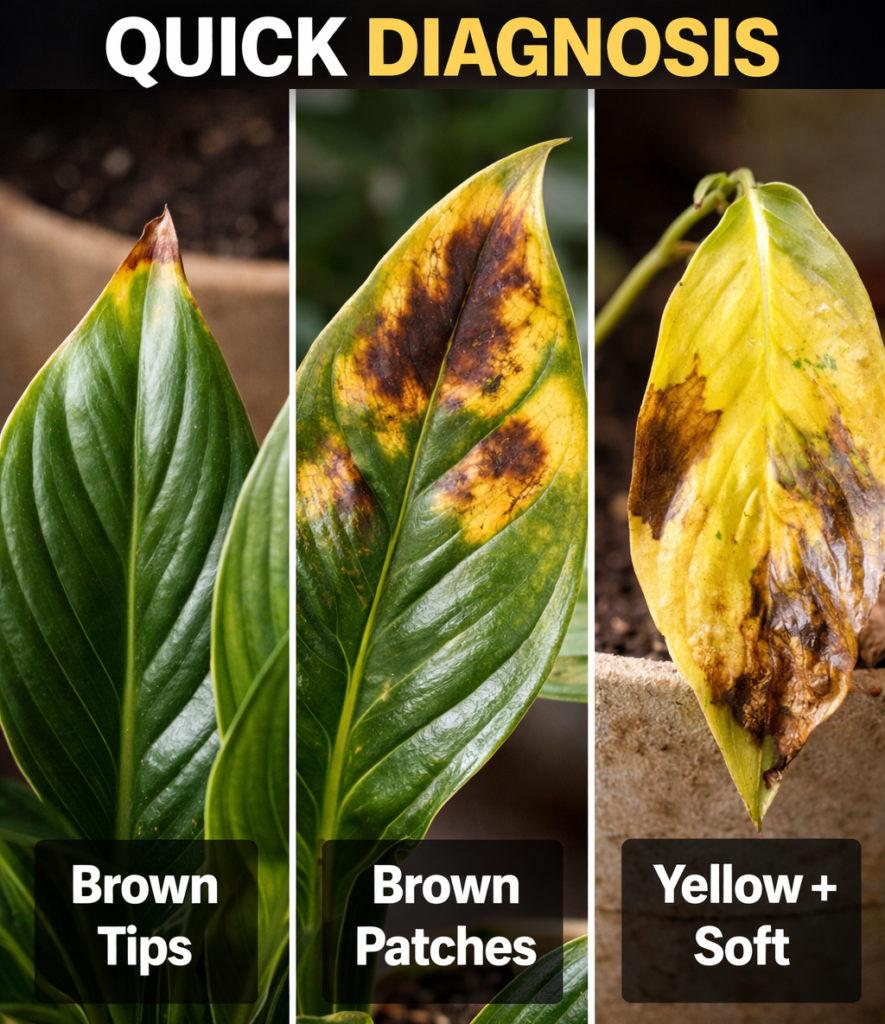
Quick Diagnosis (Wrong vs Right)
Here’s a fast way to identify the issue:
Brown tips only
✔ Likely: humidity / minerals
Brown patches in middle
✔ Likely: sunburn
Yellow + brown + soft
✔ Likely: overwatering
👉 If you’re still unsure, here’s a full guide to common indoor plant problems and how to fix them fast.
👉 Or if your plant is already struggling, here’s how to save a dying plant before it’s too late.
How to Fix Brown Leaves (Step-by-Step)
Follow this exact order:
1. Check humidity
- Below 40% → fix environment first
2. Adjust watering rhythm
- Consistent, not reactive
3. Switch water source
- Filtered if possible
4. Inspect light exposure
- Avoid harsh direct sun
5. Trim damaged leaves
- They won’t recover
💡 New growth = your success metric
When Brown Leaves Are Normal
Not all brown leaves are a problem:
- Older leaves dying off
- Seasonal adjustment
- Minor stress after repotting
👉 Only worry if it’s spreading
The One Change That Fixes Most Cases
If you only do one thing:
👉 Increase humidity
Because:
- It solves the most common cause
- It improves overall plant health
- It prevents future damage
Conclusion (Retention Push)
Brown leaves are not random.
They’re feedback.
👉 Fix the environment, not just the watering.
And once you see the difference,
you’ll never guess again.