
Indoor plants can instantly improve your space—but keeping them alive is where most beginners struggle. Yellow leaves, overwatering, and slow growth are common problems when you don’t know what to look for.
👉 Want to see what’s actually possible when you get it right? Check out these real transformations: Living Room Plant Makeover Ideas (Before & After)
👉 Start with the easiest transformation you can copy:
Empty Corner to Plant Corner (Before & After Ideas)
In this guide, you’ll learn exactly how to care for indoor plants step by step, including light, watering, and soil basics, so your plants stay healthy, strong, and easy to maintain.
Light Requirements
Most indoor plants prefer bright, indirect light, such as near a window with filtered sunlight. Direct sun can burn the leaves, while too little light will slow growth and weaken the plant over time.
If your plant isn’t getting enough light, you may notice yellowing leaves or leggy, stretched growth. If this happens, move it closer to a light source, but avoid direct sun exposure.
👉 If your plant looks fine but isn’t growing, you’re missing something critical.
👉 Read this: Why your indoor plant is not growing (and what it’s trying to tell you)
Choosing the right plant matters—especially in low light. These are the best indoor plants for low light conditions.
👉 If your space still feels off even with the right plants, the problem is usually layout—not plant choice.
See: First Apartment? 5 Plant Layout Fixes That Change Everything
Watering Guide
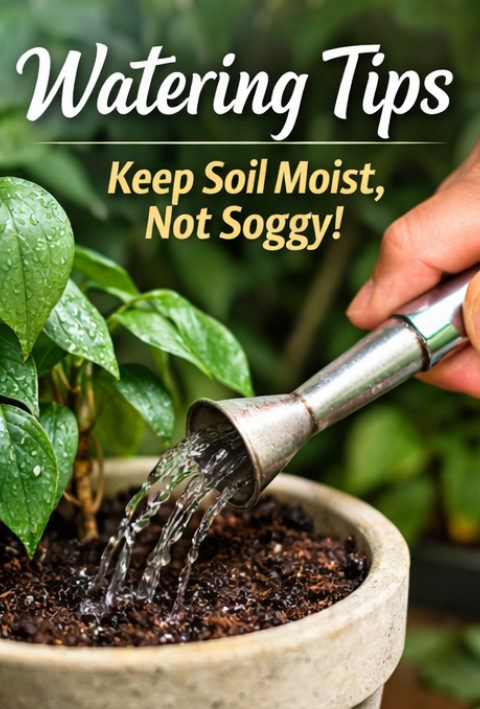
Water your plants only when the top 2–3 cm of soil feels dry. Overwatering is the most common mistake — learn the full signs, causes, and fixes in our guide on overwatering indoor plants — and can lead to root rot, which can quickly kill the plant.
Signs of overwatering include yellow leaves and soggy soil, while underwatering often causes dry soil and drooping leaves. Instead of following a fixed schedule, always check the soil — if you’re not sure what to look for, read our guide on how to tell if your plant needs water — and adjust watering based on your plant’s environment.
Peace lilies are a common example where improper watering leads to both yellow leaves and drooping, making them easy to misread. 👉 See the full breakdown: Peace Lily Care Indoors (Beginner Guide That Actually Works)
Pothos plants are another beginner favorite, but they’re often overwatered — learn how to avoid this here: Pothos Plant Care Indoors (Beginner Guide That Actually Works)
For a complete breakdown, read our full guide on how often to water indoor plants.
Soil Tips
Use well-draining soil to prevent water from sitting around the roots. A mix of potting soil with perlite or sand improves drainage and airflow, helping roots stay healthy.
If the soil retains too much water, roots can suffocate and rot, leading to yellow leaves and slow growth.
This is one of the most overlooked causes of plant decline → full guide: Best Soil for Indoor Plants.
If you notice water sitting on the surface or the soil staying wet for too long, it’s a sign you need a better-draining mix.
Temperature & Humidity
Keep plants in a stable environment between 18–27°C with moderate humidity. Avoid placing them near air conditioners, heaters, or drafty windows, as sudden temperature changes can stress the plant and slow its growth.
👉 Most beginners try misting — but it doesn’t actually fix humidity. Learn what works instead: How to Increase Humidity for Plants (Without Killing Them by Accident)
Signs of stress include curling leaves, brown edges, or leaf drop. If this happens, move the plant to a more stable spot and keep it away from direct airflow or extreme temperature changes.
Common Mistakes
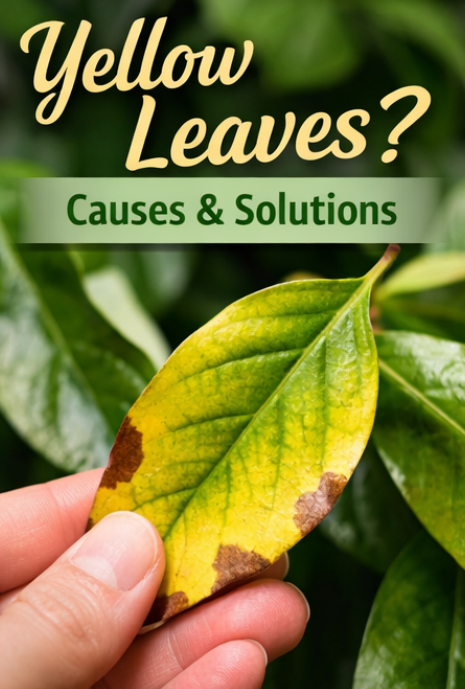
The most common mistakes beginners make are overwatering, too little light, and sudden temperature changes. These issues can weaken plants over time and eventually lead to plant death if not corrected.
👉 If your plant is already declining, here’s how to save a dying plant before it’s too late.
To avoid this, always check the soil before watering, place your plant in bright, indirect light, and keep it in a stable environment away from drafts, heaters, or air conditioners.
Best Indoor Plants for Beginners
Snake plants, pothos, and ZZ plants are some of the best choices for beginners because they are low-maintenance and highly adaptable.
But “low maintenance” doesn’t mean “no care needed” — each plant has specific needs.
If you’re starting out, read these simple guides:
ZZ Plant Care: Why It’s Slowly Dying (Even If It Looks Fine)
Snake Plant Care (Beginner Guide)
Pothos Plant Care Indoors (Beginner Guide That Actually Works)
How Often Should You Water Indoor Plants?
Most indoor plants need watering every 7–10 days, but this can vary depending on light, temperature, and humidity.
Instead of following a fixed schedule, always check the soil first. Water only when the top 2–3 cm feels dry. If the soil is still moist, wait a few more days.
Overwatering is the most common mistake and can lead to root rot, so it’s always safer to underwater slightly than to water too often.